COBOLSTACK.COM
//COURSES  EXEC PGM=CATALOG,PARM='ALL'

Course catalog

Labs first, video second. Every course runs on your own private environment in the browser — nothing to install — and every exercise is machine-checked against expected output, so you always know exactly where you stand.

Self-paced available now for CS100 and CS105 — the level-zero path from architecture to your first working COBOL program. Cohort / corporate courses run instructor-led first; self-paced releases follow as each is recorded. Ops-track courses (CS400+) are delivered through corporate training.

Prefer to watch first? Our free course videos on YouTube ↗ are open to anyone, and they come with hands-on exercises you can follow along with on your own environment — watch the lesson, then do it yourself. Start there, then take a seat when you want the graded labs.

Training a team? Any course here can be customized for a corporate cohort — modules mixed, duration adjusted, labs graded to your shop standards.
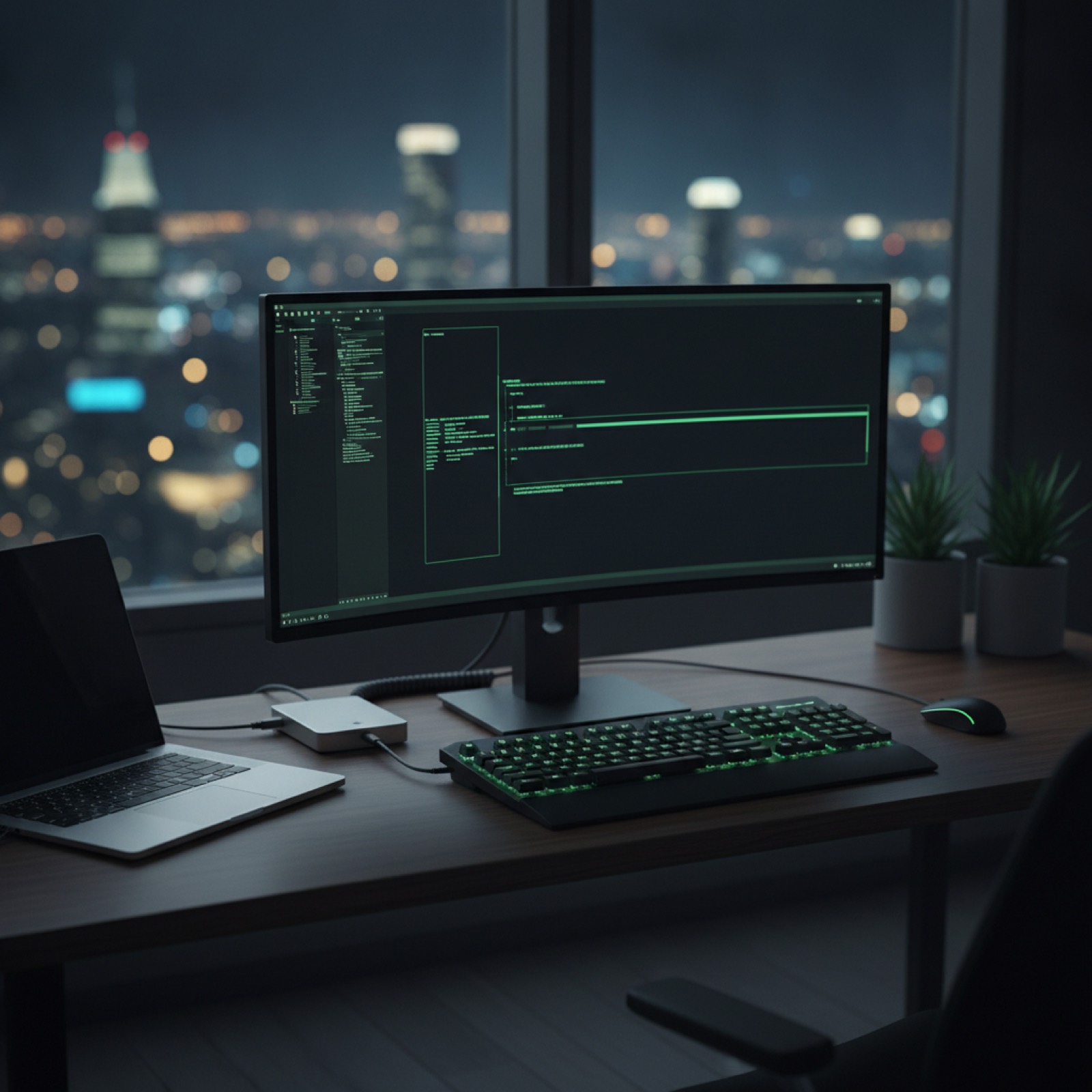
Developer workstation with a green-on-black terminal session
CATALOG19 COURSESREADY
//PATH    EXEC PGM=LEARN,PARM='LEVEL.ZERO'

Starting from level zero? Architecture first, then COBOL, then build

The most common question we get: "I have a basic idea of what a mainframe is and nothing more — where do I start?" Here is the sequence, in the order the knowledge actually stacks. The first two are self-paced and certificate-bearing; you can start today.

StepCourseWhat it gives youFormat
1CS100 Mainframe FoundationsThe architecture and the key components: hardware, z/OS and address spaces, the subsystem map, datasets and EBCDIC — then TSO/ISPF, the editor, your first job, and a batch program and a CICS screen reading the same record. Certificate: capstone job chain + abend diagnosis + architecture check.self-paced ~16h
2CS105 COBOL On-RampCOBOL from zero, gradually: read a real program, then grow one program through twelve checkpoints into a complete batch application. Certificate: hidden-dataset capstone, byte-checked, craft rules enforced.self-paced ~30h
3CS120 JCL & Batch → CS130 VSAMThe plumbing your program runs in, then make it keyed over VSAM.cohort
4CS140 DB2 and CS150 CICSThe two subsystems every job posting names beside COBOL and JCL.cohort

Prefer an instructor and a class? CS110 COBOL Programming I is the five-day cohort intensive that covers CS105's ground at pace; either one satisfies the COBOL prerequisite for CS140 and CS150. Budget about six weeks at six hours a week for steps 1–2, then join the next cohort for step 3.

//LEARN    EXEC PGM=DOING,PARM='TRY.BREAK.FIX'

Learn by doing, on a real environment

You do not learn a mainframe by watching one. From the first session you are logged on to your own mainframe-compatible environment in the browser — datasets to allocate, jobs to submit, abends to read, programs to fix. You touch the system; the video only shows you where to put your hands.

The fastest way to real skill is the loop every working mainframer already knows: try it, break it, fix it. Our courses are built around that loop. Each exercise gives you something to run, something that goes wrong, and the means to find out why — on an environment where a mistake costs a reset, not a batch window. Learners who have already made the mistakes safely are the ones who are productive when it counts.

Try
Submit the job, run the transaction, issue the command — yourself, on your own environment, from the first session. Nothing to install.
Break
Exercises go wrong the way real work goes wrong: a record length that does not match, a sign nibble, a missing DD. You see the abend, not a slide of it.
Fix
Read the message, correct the code, resubmit. The lab harness checks your output against the expected result, so you know the moment it is right.

The free course videos ↗ teach the same way: each lesson pairs with a hands-on exercise to follow along with on your own environment. The environments page describes what that environment is — and, honestly, what it is not.

//FLAGSHIP DD DSN=CS300.SEAM,DISP=SHR

Why CS300 exists

Nobody teaches how a mainframe hands data to a relational database at end of day, what copybook-to-column mapping actually involves, or why the packed-decimal sign nibble matters — because teaching it requires both platforms side by side. That's the unhireable skill in banking IT, and it's a five-day course here, taught on a mixed estate that ships broken on purpose: one real production defect class per lab.

The Seam — full syllabus